

Music card forging mechanics in daily release games function as a digital alchemy system where players combine raw audio assets, metadata, and rarity tiers to create unique, tradeable digital collectibles. This process transforms ephemeral daily musical drops into permanent, verifiable digital objects. The system relies on deterministic algorithms that ensure each forged card is distinct while maintaining balance within the game's economy. For creators like th3scr1b3, these mechanics provide a direct-to-fan pathway for monetizing daily sonic explorations.
The Core Loop of Digital Forging
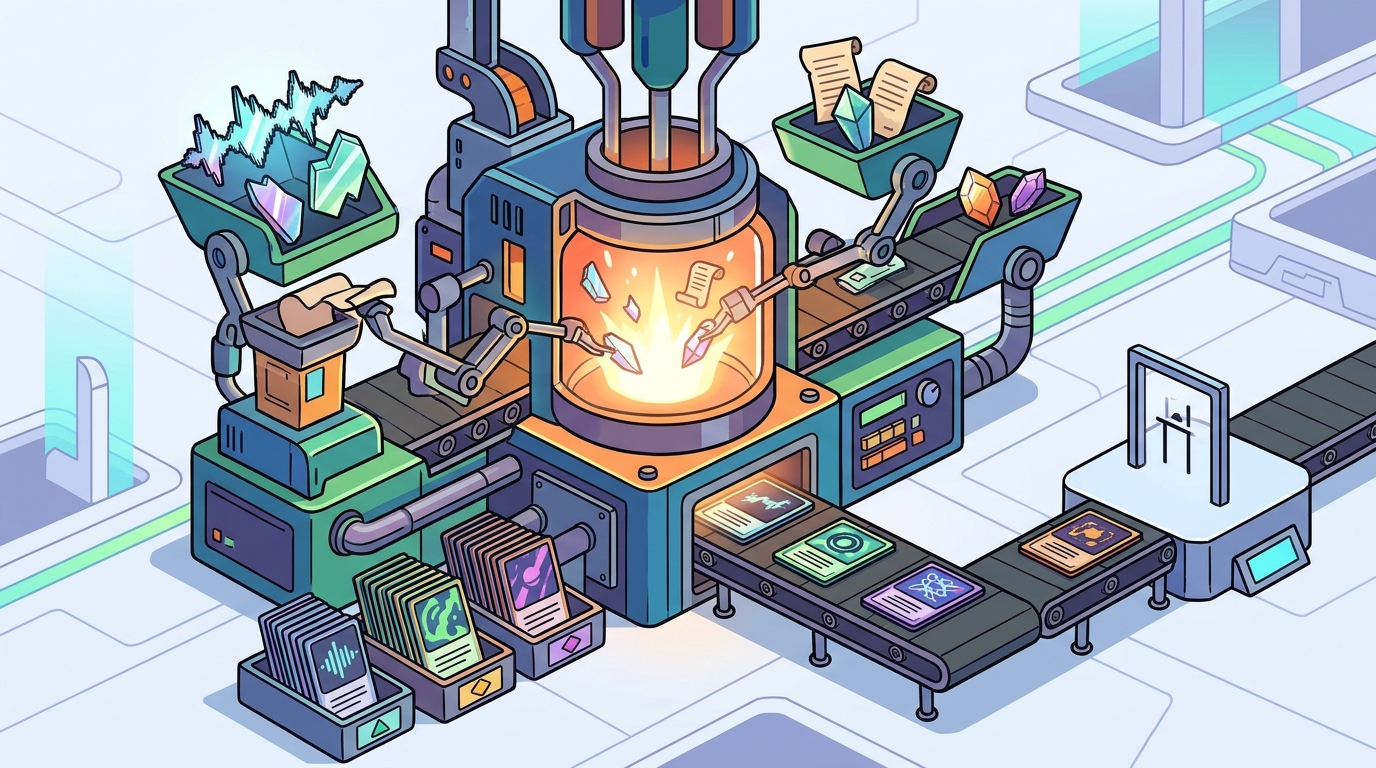
At its foundation, card forging is a transformation mechanic that converts base game items into enhanced or unique variants. In the context of music games, this often involves combining a specific track release with a visual skin or a rarity modifier. The player initiates the process by selecting a base card, which is typically generated from a daily song drop. The game engine then applies a hash function to the audio file and the visual assets to create a unique identifier. This ensures that no two forged cards are identical, even if they originate from the same daily release. The implication for players is that timing and selection matter. Forging a card immediately after a daily release often yields different metadata or visual effects than forging it later, creating a sense of urgency and scarcity. For additional details, review the Customer Experience.
Rarity Tiers and Audio Metadata
Rarity in these systems is not arbitrary; it is often derived from the audio properties of the source material. A common metric is the dynamic range or the complexity of the track's structure. For example, a track with a high number of distinct stems or a complex beat pattern might qualify for a higher rarity tier upon forging. This ties the game's economy directly to the artistic quality of the music. The evidence for this approach can be seen in how platforms like th3scr1b3 structure their daily releases, where each entry is a distinct sonic moment. By linking rarity to audio complexity, the game rewards players who engage deeply with the music rather than just collecting for the sake of it. This creates a feedback loop where higher quality music leads to more desirable cards, which in turn drives more listeners to the source material.
Daily Release Cycles and Scarcity
The daily release model is the engine that drives the forging economy. Each day, a new set of base cards becomes available, and players must decide which ones to forge. This creates a natural scarcity model where older cards become harder to obtain in their base form. The forging process acts as a way to preserve and enhance these daily drops. For instance, a player might forge a card from a specific day in the '365 Days of Light and Dark' series, locking in that day's unique audio fingerprint. The implication is that the game's value proposition is tied to the consistency of the daily releases. If the creator maintains a high standard of daily output, the forged cards retain their value and desirability. This model mirrors traditional trading card games but with a dynamic, time-based scarcity that is unique to digital music platforms. For additional details, review the Frequently Asked Questions.
Visual Synthesis and Generative Art
Forging is not just about audio; it is also about visual synthesis. Many daily release games use generative art algorithms to create the card's visual representation based on the audio waveform. The forging process might involve selecting a color palette or a visual style that reacts to the music's frequency spectrum. This creates a unique visual identity for each card. The evidence for this is in the use of real-time audio visualization in digital art. For example, a track with a heavy bass line might generate a card with bold, dark visuals, while a lighter track might produce a card with bright, airy elements. This visual synthesis adds a layer of aesthetic value to the card, making it not just a collectible but a piece of digital art. For creators, this means that the visual design of their music releases can directly influence the desirability of the forged cards.
Economic Balance and Trade Dynamics
The final piece of the forging puzzle is economic balance. The game must ensure that the forging process does not inflate the in-game economy or devalue the cards. This is often achieved by limiting the number of times a base card can be forged or by introducing a resource cost for the forging process. The trade dynamics then emerge from the unique combinations of audio and visual elements. Players trade cards based on their rarity, visual appeal, and the popularity of the source track. The implication for the game's longevity is that a well-balanced economy can sustain player engagement over time. By tying the forging mechanics to the daily release cycle, the game creates a continuous stream of new content and new trading opportunities. This keeps the community active and the economy vibrant. according to Game Mechanics Research
Key Takeaways
- Card forging transforms daily music drops into unique, verifiable digital collectibles using deterministic algorithms.
- Rarity tiers are often derived from audio properties like dynamic range and structural complexity.
- The daily release model creates natural scarcity, making older cards harder to obtain in their base form.
- Economic balance is maintained through resource costs and limits on forging frequency.
- For creators, high-quality daily releases directly influence the desirability and value of forged cards.
- The system rewards players who engage deeply with the music, not just those who collect for quantity.
Frequently Asked Questions
What is card forging in music games?
Card forging is a mechanic where players combine base cards from daily music releases with visual or rarity modifiers to create unique digital collectibles.
How is rarity determined in these games?
Rarity is often derived from audio properties such as dynamic range, beat complexity, or the number of distinct stems in the track.
Can I forge a card from any daily release?
Yes, but the availability of base cards is tied to the daily release cycle, and older cards may become harder to obtain in their base form.
What role does visual synthesis play in forging?
How does the daily release model affect card value?
The daily release model creates natural scarcity, as each day's release is a unique set of base cards that can be forged into unique variants.
Is the forging process deterministic?
How does this benefit music creators?
It provides a direct-to-fan pathway for monetizing daily sonic explorations and increases the desirability of their music releases.