
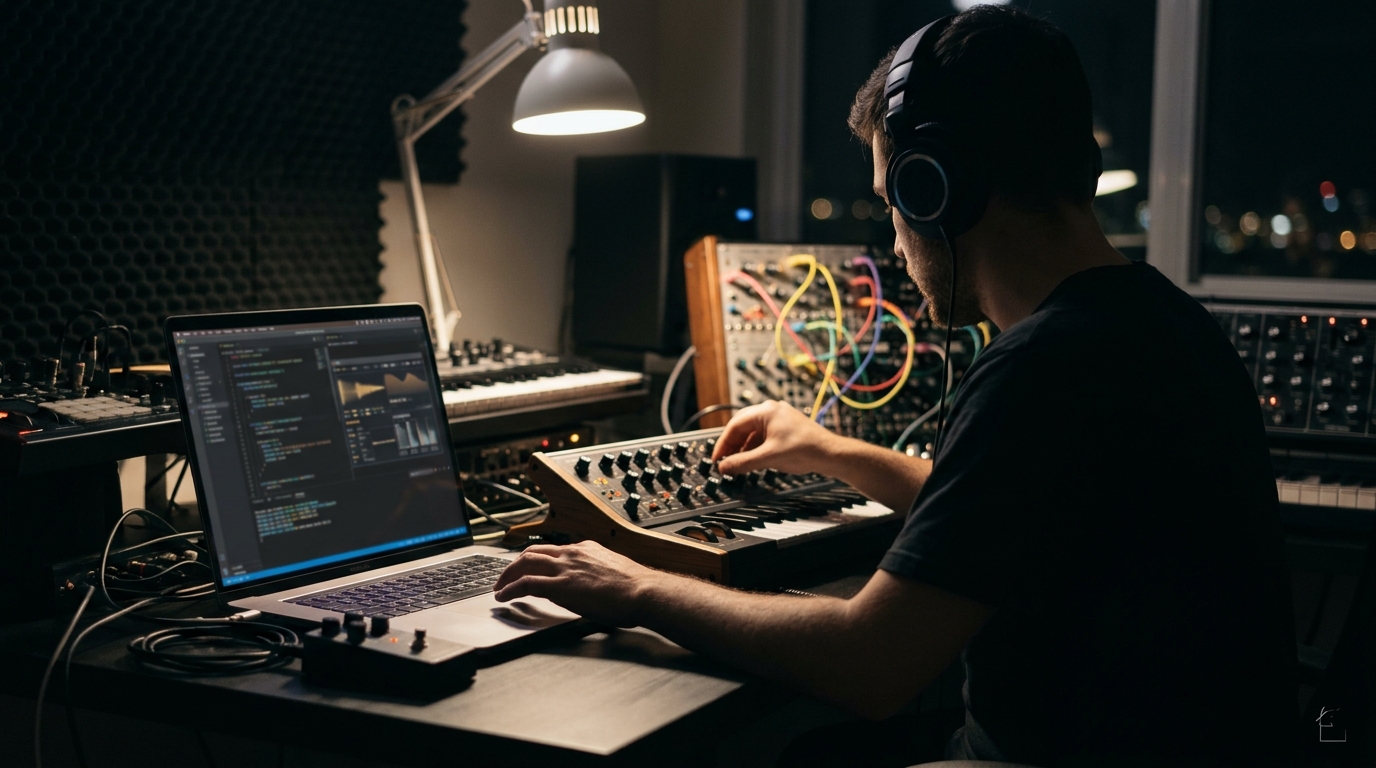
Independent musicians build their own production tools by integrating software development directly into their creative workflow, treating code as an extension of their artistic identity. This approach requires a dual competency in music theory and programming, allowing artists to automate repetitive tasks and create unique sonic signatures. For creators like th3scr1b3, this strategy transforms the release process from a manual burden into a scalable system. By owning their infrastructure, artists maintain full control over their output while reducing dependency on third-party platforms that may limit creative freedom or data ownership. For additional details, review the th3scr1b3 s 365 Days.
The Strategic Value of Owned Infrastructure
Owned infrastructure is the technical framework an artist builds to manage their creative output without relying on external gatekeepers. For independent musicians, this means developing custom scripts, applications, or servers that handle specific aspects of the production pipeline. The primary benefit is autonomy. When an artist controls the tools, they control the timeline. This is critical for maintaining a consistent release schedule, which is often the hardest part of an independent career. External platforms can change their APIs, pricing, or terms of service, potentially disrupting a workflow that took months to establish. By building in-house solutions, artists insulate their creative process from these external shocks.
The evidence for this strategy is visible in the work of th3scr1b3, who has developed a comprehensive ecosystem around their 365-day release project. The artist created a Creative Engine that includes specific tools like a Song Analyzer and a Poem Analyzer. These tools are not just for fun; they are functional components of the release pipeline. The Song Analyzer reads tempo, key, energy, and mood, providing data-driven reflection on each track. This level of detail is difficult to achieve with generic third-party software, which often lacks the specific metrics an artist needs for their unique style. The implication is clear: building your own tools allows for a level of customization and data granularity that off-the-shelf solutions simply cannot match.
Integrating Development into the Creative Cycle
Workflow integration is the process of embedding software development tasks into the daily routine of music creation. Many artists fail at this balance because they treat coding as a separate, time-consuming job that competes with music. The successful approach is to build tools that solve immediate creative problems. If an artist spends too much time manually syncing lyrics to audio, they build a tool to automate that specific task. This ensures that the time spent coding directly benefits the next release. It creates a feedback loop where the tool improves the music, and the music reveals new needs for the tool.
th3scr1b3 demonstrates this integration through their LRC sync tool. This utility handles the timing of lyrics, word by word, which is essential for their lyric video generation. By building this tool, the artist eliminated a major bottleneck in their video production process. The tool is part of a larger Creative Engine that also includes a Video Poster generator. This specific example shows how a single development task (syncing lyrics) can unlock multiple creative outputs (lyric videos and posters). The implication is that developers should prioritize building tools that remove friction from their most time-consuming tasks, rather than trying to build a complete suite of software all at once.
Managing the Cognitive Load of Dual Roles
Cognitive load management is the practice of structuring work to prevent burnout when switching between creative and technical modes. Writing code requires a different mental state than writing music. Code is logical and precise; music is emotional and ambiguous. Switching between these modes frequently can lead to mental fatigue and decreased quality in both areas. Successful independent musicians manage this by creating distinct phases in their workflow. They might dedicate specific days to development and others to recording. This separation allows the brain to focus on one type of problem-solving at a time.
The th3scr1b3 project illustrates this through its structured release schedule. The artist commits to one song a day, but the tools are built in phases throughout the year. The manifesto outlines a timeline where different tools are developed in specific months. For example, the Song Analyzer App is built in January and February, while the Lyric Video Generator is developed in March and April. This phased approach prevents the artist from trying to build everything at once. It allows for a steady pace of development that aligns with the release schedule. The implication is that artists should map their tool development to their release calendar, ensuring that new tools are ready when they are needed for upcoming projects.
Community and Transparency as Growth Drivers
Open-source transparency is the practice of sharing code and development processes with the public to build community trust and engagement. For independent musicians, this is a powerful marketing tool. Fans are increasingly interested in the behind-the-scenes aspects of music creation. By sharing their code, artists invite fans into the creative process. This builds a deeper connection than simply releasing a finished product. It turns listeners into collaborators and supporters. The community can provide feedback on the tools, report bugs, and even contribute to the development. This creates a self-sustaining ecosystem where the community helps maintain the infrastructure.
Key Takeaways
- Owned infrastructure provides autonomy and protects against external platform changes.
- Workflow integration ensures that coding tasks directly benefit the music release process.
- Cognitive load management requires distinct phases for creative and technical work.
- Phased development aligns tool creation with the release calendar to prevent burnout.
- Open-source transparency builds community trust and turns fans into collaborators.
- Direct-to-fan support models can sustain the costs of tool development and server maintenance.
Frequently Asked Questions
Do I need to be a professional software engineer to build my own music tools?
No, you do not need to be a professional engineer. You need to be a competent programmer who can solve specific problems. Start with simple scripts that automate one task, such as file renaming or metadata tagging. As your skills grow, you can build more complex applications. The goal is to solve your own problems, not to build a commercial product.
How much time does it take to build a production tool?
The time required depends on the complexity of the tool. A simple script might take a few hours, while a full application could take weeks or months. The key is to start small and iterate. Build a minimum viable version that solves one problem, then add features as needed. This approach ensures that you always have a working tool without spending months on a project that may not be finished.
Can I use open-source libraries to speed up development?
Yes, using open-source libraries is highly recommended. Libraries for audio processing, web development, and data analysis can save you hundreds of hours. However, you should understand the code you are using. If a library has a bug or a security vulnerability, you need to be able to fix it or work around it. Relying on a library without understanding it can create technical debt.
How do I balance coding with recording music?
Balance is achieved by scheduling. Dedicate specific days or blocks of time to coding and others to recording. Do not try to do both at the same time. If you are in a creative flow for music, protect that time. If you are in a logical flow for coding, protect that time. This separation helps maintain quality in both areas and prevents burnout.
Is it worth building tools if I only release a few songs a year?
It depends on your goals. If you value autonomy and customization, it is worth it. Even if you release few songs, having your own tools gives you control over the process. If you are happy with third-party tools and do not mind the limitations, you may not need to build your own. The decision should be based on your artistic vision and your tolerance for technical complexity.
Conclusion
Building your own production tools is a strategic investment in your artistic independence. It requires a commitment to learning and a willingness to share your process with the community. By integrating development into your creative cycle, you can maintain a successful releasing career while owning your infrastructure. th3scr1b3 provides a compelling example of how this approach can work, creating a sustainable ecosystem that supports both the music and the tools. If you are ready to take control of your creative process, start by identifying one bottleneck in your workflow and building a simple tool to solve it.