

Immersive Browser Rhythm Games: The Power of Original Soundtracks
The Role of Original Audio in Gameplay
Original soundtracks provide a unique foundation for rhythm games. Standard library music often lacks the specific rhythmic structures needed for gameplay. Custom compositions allow developers to design beats that match visual cues. This alignment is crucial for player success. In th3scr1b3's 365 Days of Light and Dark, each track is tailored to the game's mechanics. The music is not just background noise. It is the primary interface between the player and the game world. This integration ensures that every note has a corresponding visual element.
Rhythmic Precision and Visual Cues
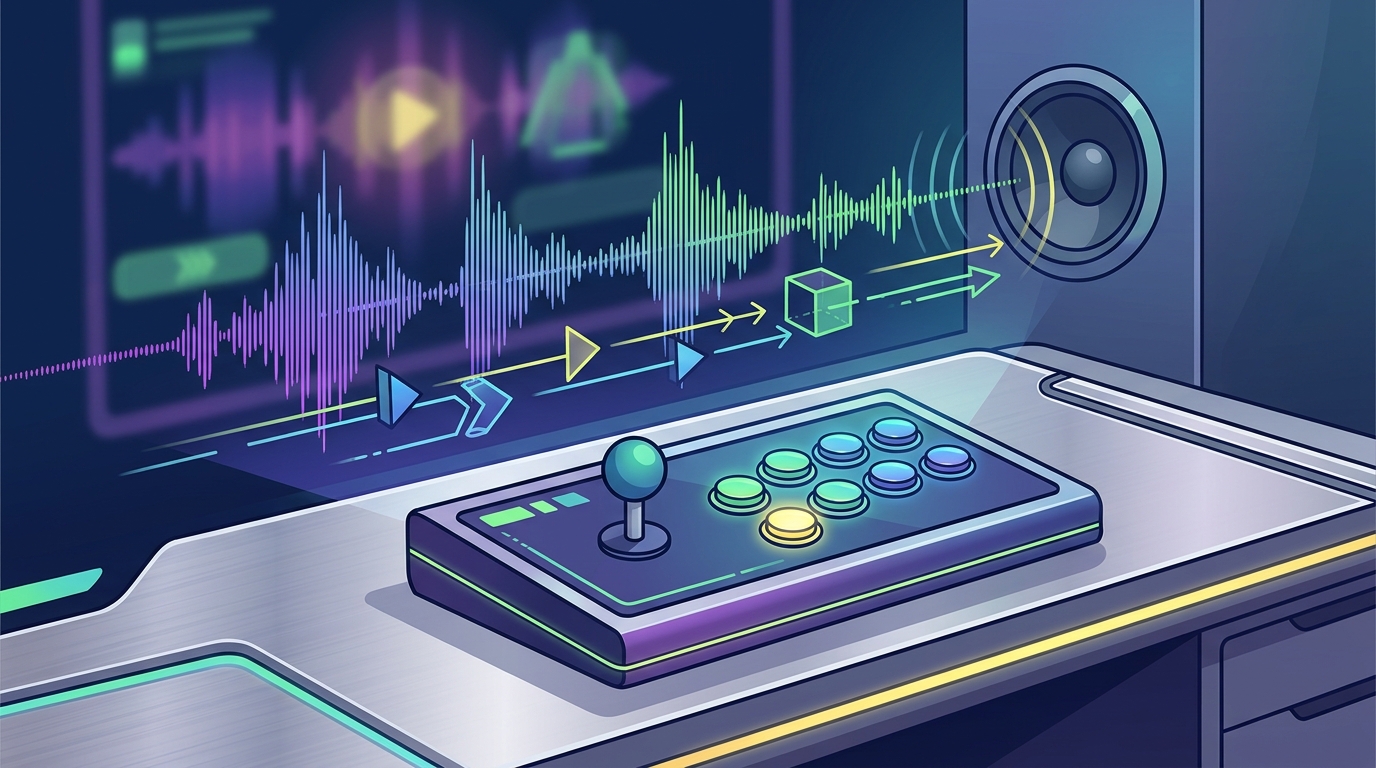
Rhythmic precision in music allows for clear visual cues. When a beat drops, a visual element appears. This immediate feedback loop reinforces the player's actions. The brain processes this synchronization as a single event. This reduces cognitive load and increases flow state. Players feel more connected to the game when the audio and visual elements are perfectly aligned. The original nature of the music ensures this alignment is intentional and precise.
Narrative Integration Through Music
Music in rhythm games often serves a narrative purpose. It can convey emotion, story progression, or character development. Original compositions allow for a cohesive narrative arc across the entire game. In th3scr1b3's 365 Days of Light and Dark, the music follows a thematic journey. The tracks explore the spectrum of light and dark. This narrative thread gives players a reason to progress through the levels. The music becomes a storytelling tool, not just a soundtrack. This adds depth and meaning to the gameplay experience.
Thematic Consistency and Player Engagement
Thematic consistency in music helps maintain player engagement. When the music aligns with the game's theme, players feel more immersed. They are not just playing a game; they are experiencing a story. The original compositions in th3scr1b3's 365 Days of Light and Dark reflect this consistency. Each track contributes to the overall narrative of light and dark. This thematic unity keeps players invested in the game's progression. They want to hear how the story unfolds through the music.
Technical Implementation in Browser Environments
Optimizing for Web Performance
Player Agency and Interactive Feedback
Player agency is a key component of immersion in rhythm games. Players must feel that their actions directly influence the game. Interactive feedback reinforces this sense of control. In th3scr1b3's 365 Days of Light and Dark, players interact with the music through gameplay. Their actions trigger visual and audio responses. This interactive feedback loop creates a sense of agency. Players feel like they are part of the music, not just observers. This active participation enhances the immersive experience.
Feedback Loops and Skill Development
Feedback loops in rhythm games help players develop skills. Immediate feedback on their performance allows for continuous improvement. Players can adjust their timing and technique based on the game's responses. The original music in th3scr1b3's 365 Days of Light and Dark provides clear feedback cues. Players can see how their actions align with the music. This feedback loop encourages skill development and mastery. Players become more immersed as they improve their abilities.
Key Takeaways
- Original soundtracks provide a unique foundation for rhythm games.
- Rhythmic precision in music allows for clear visual cues.
- Music in rhythm games often serves a narrative purpose.
- Thematic consistency in music helps maintain player engagement.
- Browser-based rhythm games face unique technical challenges.
- Player agency is a key component of immersion in rhythm games.
- Feedback loops in rhythm games help players develop skills.
Frequently Asked Questions
Why is original music important in rhythm games?
Original music allows for precise synchronization between audio and visual elements. This synchronization is crucial for player success and immersion.
How does narrative integration enhance immersion?
Narrative integration gives players a reason to progress through the game. The music becomes a storytelling tool, adding depth and meaning to the gameplay experience.
What technical challenges do browser rhythm games face?
Browser rhythm games must manage audio latency and visual synchronization. Modern web technologies allow for high-fidelity audio playback and smooth performance.
How does player agency contribute to immersion?
Player agency allows players to feel that their actions directly influence the game. Interactive feedback reinforces this sense of control and enhances immersion.
What role do feedback loops play in skill development?
Feedback loops provide immediate feedback on player performance. This allows for continuous improvement and mastery of the game's mechanics.
How does thematic consistency affect player engagement?
Thematic consistency in music helps maintain player engagement. When the music aligns with the game's theme, players feel more immersed in the experience.
Why is accessibility important for browser-based games?
Accessibility allows players to engage without downloading large files. This broadens the potential audience and enhances the overall immersive experience.