
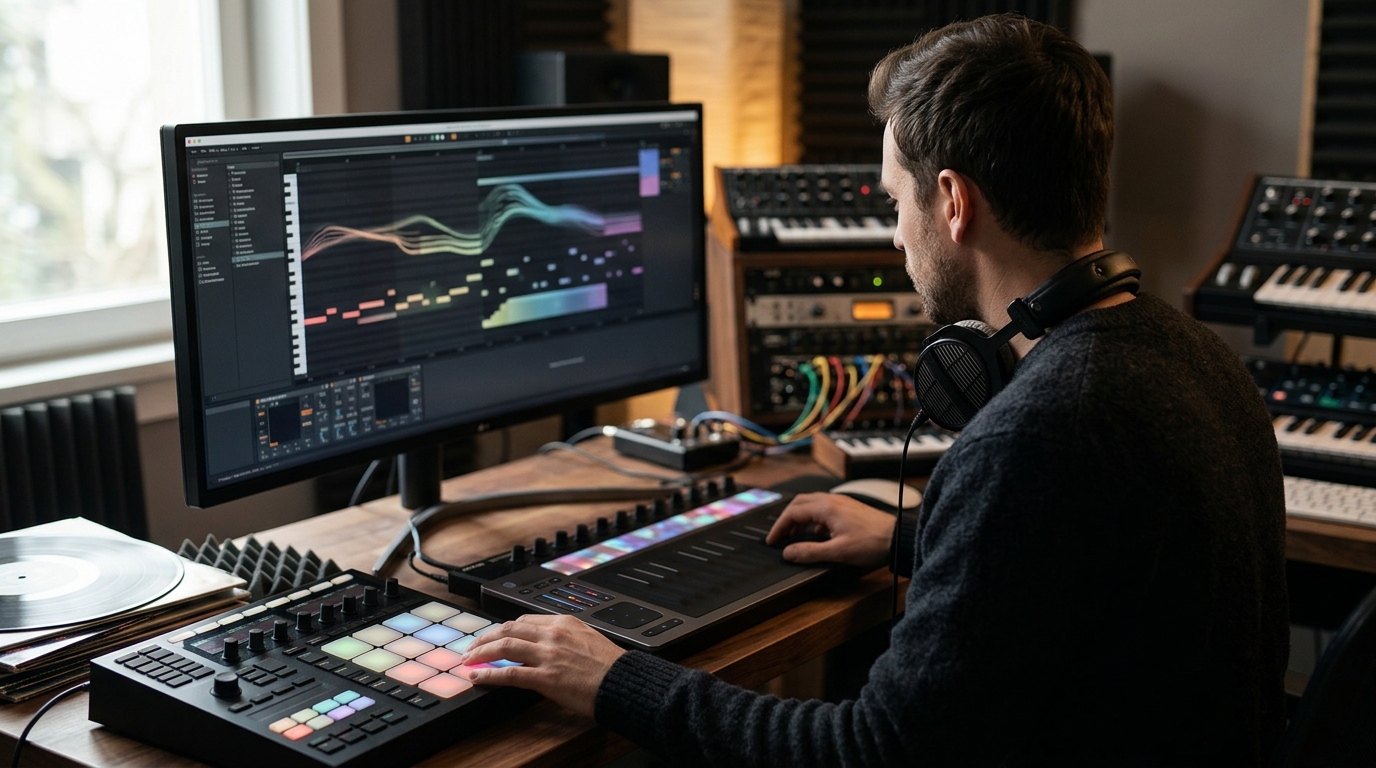
The Shift Toward Editable MIDI Generation
Traditional audio generation often results in static files that are difficult to modify. MIDI generation is the process of using artificial intelligence to create note data rather than rendered audio waves. This distinction is critical for producers who need to tweak timing, velocity, and pitch. When a tool outputs MIDI, the data remains flexible. You can quantize, humanize, or re-velocity the output to match your specific aesthetic. This flexibility is the primary reason why MIDI-focused AI tools are gaining traction among serious musicians. For additional details, review the Customer Experience.
Top Tools for Drum Pattern Generation
One concrete example of this capability is the use of AI to generate breakbeat variations. These tools can take a simple four-on-the-floor pattern and introduce syncopation and ghost notes. The result is a drum loop that feels human and organic. This is particularly useful for artists who want to avoid the sterile sound of perfectly quantized drums. The implication is that AI can now serve as a creative collaborator rather than just a utility. It can suggest rhythmic ideas that the producer might not have considered. For additional details, review the Frequently Asked Questions.
Advanced Bass Line Synthesis
Bass lines require a different approach than drum patterns. AI bass generators are algorithms that create melodic and rhythmic sequences for low-frequency instruments. These tools must understand harmonic context to produce musically coherent lines. They analyze the key and chord progression of the track to suggest appropriate bass notes. This harmonic awareness is what separates advanced tools from basic random generators. The output is not just a sequence of notes, but a musical phrase that supports the harmony. For additional details, review the About.
The evidence for the sophistication of these tools is in their ability to handle complex bass styles. For example, they can generate sidechain-ready patterns for electronic music. They can also create walking bass lines for jazz or funk. The implication for producers is that they can focus on the creative direction while the AI handles the technical execution. This division of labor allows for a more efficient workflow. It also ensures that the bass line is always in key and rhythmically aligned with the rest of the track.
Integration with Digital Audio Workstations
The value of an AI tool is determined by how well it integrates with your existing setup. DAW integration is the process of connecting AI software directly to a digital audio workstation. This connection allows for real-time interaction between the AI and the DAW. You can send MIDI data from the AI to a specific track in your DAW. This seamless workflow is crucial for maintaining creative flow. If you have to export and import files, the process becomes cumbersome and breaks your concentration.
One concrete example of this integration is the use of VST plugins that generate MIDI. These plugins sit directly within the DAW and output MIDI to the active track. This allows for immediate auditioning and editing. The implication is that the AI becomes part of the instrument itself. It is no longer a separate application that you have to switch between. This level of integration is what makes AI tools practical for professional use. It transforms the AI from a novelty into a standard part of the production toolkit.
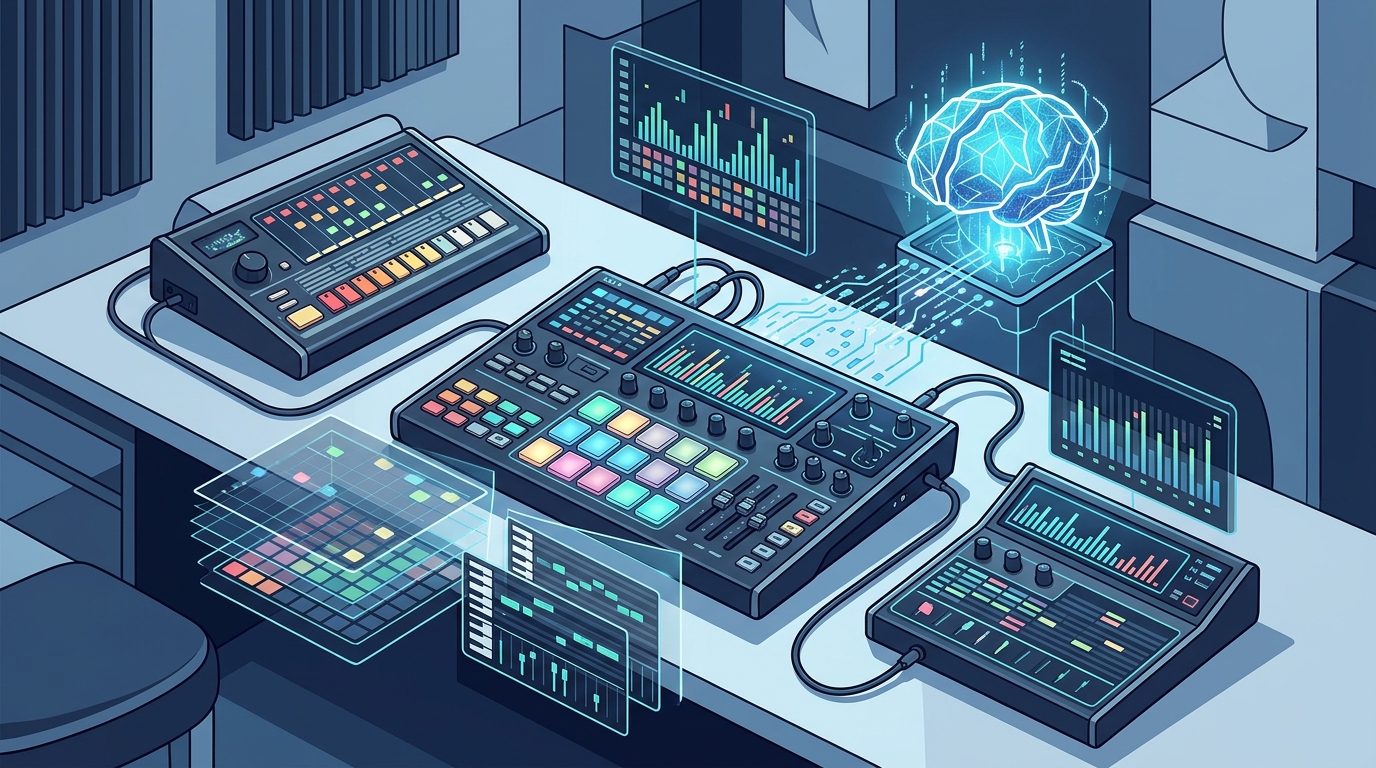
Key Takeaways
- MIDI generation is the process of creating editable note data using AI, which is superior to static audio for producers.
- Genre-specific training data is a critical factor in the quality of AI-generated drum and bass patterns.
- Harmonic awareness in bass generators ensures that the output is musically coherent and in key.
- AI tools serve as creative collaborators, suggesting rhythmic and melodic ideas that expand the producer's vocabulary.
- Workflow efficiency is improved by tools that output MIDI directly to the DAW, reducing friction in the creative process.
Frequently Asked Questions
Can AI generate MIDI that is fully editable in a DAW?
Yes, the best AI tools in 2026 output standard MIDI data. This data is fully editable in any digital audio workstation. You can change pitch, velocity, and timing just like you would with manually programmed notes.
Do AI drum generators understand different genres?
Advanced tools are trained on genre-specific data. This allows them to generate patterns that are authentic to specific styles, such as hip-hop, techno, or jazz.
How does AI bass generation handle harmony?
Modern AI bass generators analyze the key and chord progression of the track. They use this information to suggest bass notes that are harmonically compatible with the rest of the music.
Is AI MIDI generation suitable for professional production?
Yes, many professional producers use AI tools to accelerate their workflow. The output is a starting point that can be refined and edited to meet professional standards.
What is the main advantage of MIDI over audio generation?
The main advantage is flexibility. MIDI data can be easily modified, quantized, and re-velocitized. Audio files are static and require more effort to modify.