

Card forging in daily music games is a process where players combine daily audio assets to create unique digital collectibles. This mechanic transforms ephemeral daily releases into permanent, tradeable items. It bridges the gap between transient content and long-term collection value. For additional details, review the .
The Core Mechanic
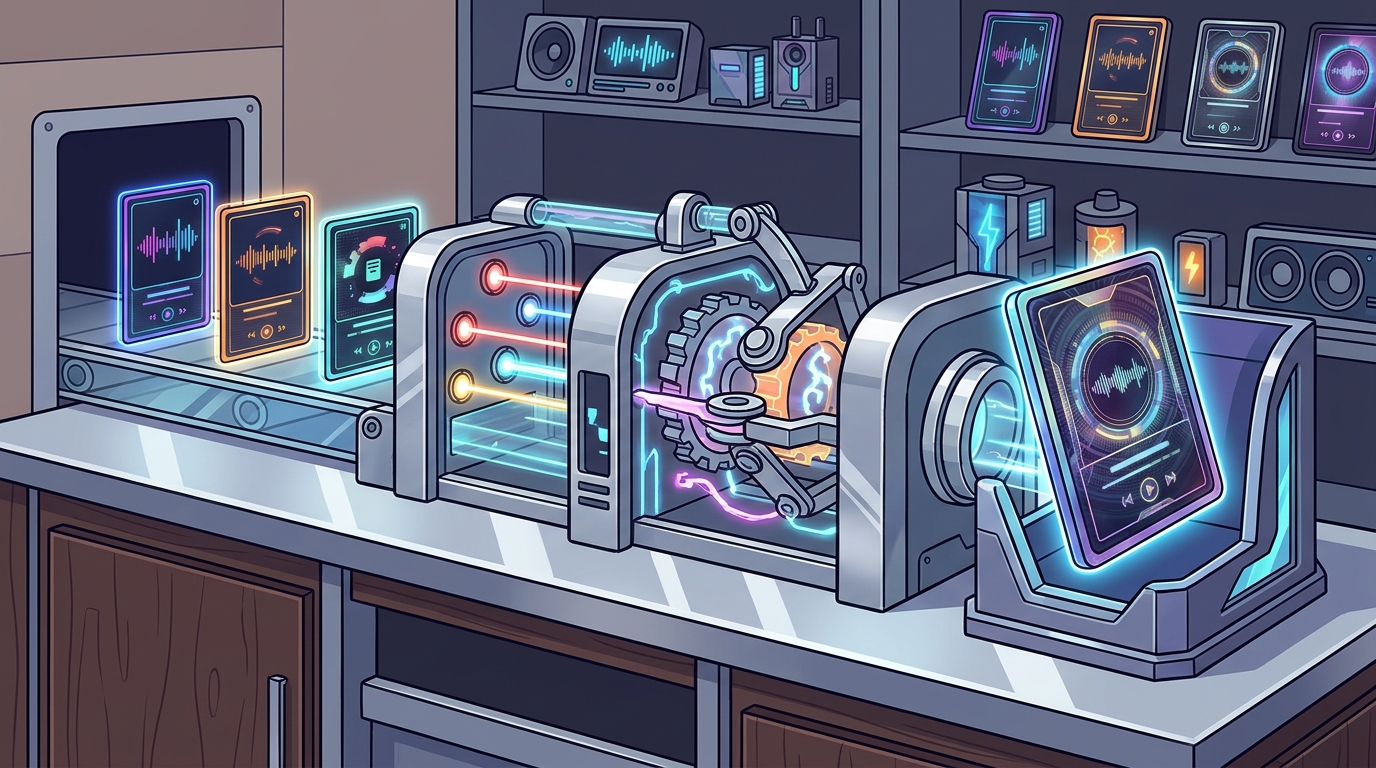
Card forging is a synthesis mechanic that merges multiple base items into a single enhanced asset. In the context of music games, this often involves combining specific daily tracks. The result is a new card with unique attributes derived from its components. This process adds a layer of depth to simple collection mechanics. For additional details, review the Frequently Asked Questions.
Input Requirements
Players typically need a specific number of base cards to initiate a forge. These base cards are often the daily releases themselves. The game may require specific combinations or simply a quantity threshold. The output is usually a higher-tier card with enhanced visual or audio properties. For additional details, review the About.
Output Variability
The forged card may have randomized attributes or fixed enhancements. Some games guarantee a specific upgrade, while others introduce randomness. This variability drives engagement as players seek optimal combinations. The process is usually irreversible, adding weight to each decision.
Impact of Daily Releases
Daily releases create a steady stream of forgeable materials. This consistent supply ensures players always have new inputs for their forging activities. It prevents the game from feeling stagnant or resource-starved. The daily cadence aligns with the forging cycle, creating a natural rhythm.
Consistency and Habit
Releasing new content every day builds a strong habit loop. Players return daily to collect new materials for forging. This consistency is crucial for long-term retention in music-based games. It mirrors the release schedules of major music platforms.
Scarcity Management
Daily releases allow developers to control the supply of forgeable items. By limiting the number of daily drops, they maintain scarcity. This scarcity drives the perceived value of forged cards. It ensures that the collection remains exclusive and desirable.
Rarity and Value
Forged cards often carry higher rarity tiers than their base components. This rarity directly influences their market value within the game. Players can trade or display these cards, creating a secondary economy. The value is derived from both the rarity and the specific combination of daily tracks used.
Tier Progression
Market Dynamics
The in-game market reflects the rarity and demand for specific forged cards. Popular combinations may command higher prices. This dynamic economy encourages players to strategize their forging choices. It adds a financial layer to the creative process.
Player Strategy
Successful forging requires careful planning and resource management. Players must decide which daily cards to save and which to forge immediately. This strategic depth transforms a simple collection game into a complex puzzle. It rewards players who understand the underlying mechanics.
Resource Allocation
Players must balance their daily card inventory with their forging goals. Saving too many cards may lead to missed opportunities. Forging too quickly may deplete resources before optimal combinations are available. This balance is key to long-term success.
Community Insights
Player communities often share optimal forging strategies. These insights help new players navigate the complex mechanics. Forums and social media groups are hubs for this knowledge. They foster a collaborative environment around the game.
Key Takeaways
- Card forging combines daily audio assets into unique digital collectibles.
- Daily releases provide a consistent supply of forgeable materials.
- Forged cards often carry higher rarity and market value.
- Strategic resource management is crucial for optimal forging outcomes.
- Community insights help players navigate complex forging mechanics.
- The process adds depth to simple collection games.
- Irreversibility of forging adds weight to each decision.
Frequently Asked Questions
What is card forging in music games?
Card forging is a mechanic where players combine daily audio assets to create unique digital collectibles.
How do daily releases affect forging?
Daily releases provide a consistent supply of forgeable materials, preventing resource starvation.
Can forged cards be traded?
Yes, forged cards can often be traded or displayed, creating a secondary economy.
Is forging irreversible?
Yes, the forging process is usually irreversible, adding weight to each decision.
What determines the value of a forged card?
The value is determined by rarity, specific combination of daily tracks, and market demand.
How can players optimize their forging strategy?
Players can optimize by carefully managing their daily card inventory and seeking community insights.
Do all music games have card forging?
No, not all music games have card forging, but it is a common mechanic in daily release games.Do forged cards have unique audio properties?
Yes, forged cards often have enhanced visual or audio properties derived from their components.
Explore the Art of Daily Creation
At th3scr1b3, we believe in the power of daily creative expression. Our platform showcases the art of consistent, high-quality content creation. Explore our collection of daily sonic explorations and see how daily releases can inspire new forms of digital art. Join our community and discover the beauty of one poetic entry a day.