
Realistic Outcomes for Independent Producers Building Custom Tools
The Efficiency and Workflow Impact
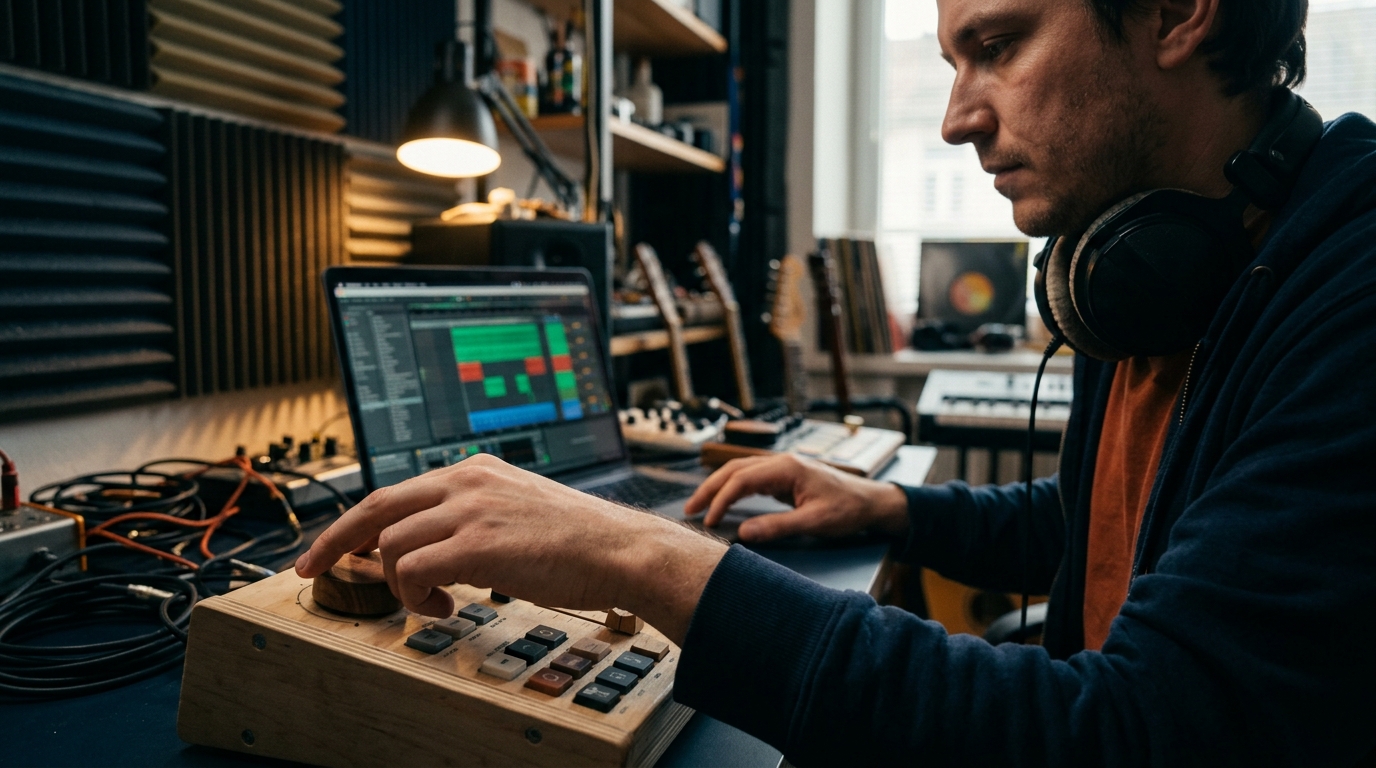
Building custom tools often starts with solving a specific friction point in the production process. When a producer creates a script or plugin to automate a repetitive task, they reclaim hours of manual labor. This efficiency gain allows more time for creative decision-making rather than technical troubleshooting. The result is a faster iteration cycle, enabling the artist to test more ideas in a shorter period. For additional details, review the .
For example, a producer might build a simple MIDI mapping tool that connects a hardware controller to a specific software function. This small utility can reduce setup time from minutes to seconds. Over a year, these small savings accumulate into significant creative capacity. The implication is that tool-building is not just a technical exercise but a strategic investment in time management. For additional details, review the Customer Experience.
Developing a Unique Sonic Identity
Commercial software often produces a standardized sound because many users rely on the same presets and algorithms. By building custom tools, producers can create unique processing chains that are difficult for others to replicate. This distinctiveness becomes a key part of the artist's brand identity. Listeners begin to recognize the specific texture or character of the music, which fosters deeper loyalty. For additional details, review the Frequently Asked Questions.
Consider a producer who develops a custom distortion algorithm that reacts to input dynamics in a non-linear way. This specific tool creates a signature sound that sets their releases apart from generic electronic music. The evidence for this impact is seen in the growing community of artists who share their custom tools on platforms like th3scr1b3, where unique sonic exploration is central to the creative output. The implication is that technical innovation directly translates to artistic differentiation.
Direct-to-Fan Engagement and Community Building
Building tools in the open, or sharing the process with an audience, creates a powerful engagement channel. Fans are often fascinated by the technical side of music creation. When a producer shares their tool-building journey, they invite their community into the creative process. This transparency builds trust and a sense of shared ownership over the artist's work. For additional details, review the About.
A concrete example is the use of decentralized platforms to distribute both music and the tools used to make it. This approach aligns with the direct-to-fan model, where the artist maintains a direct relationship with their supporters. The implication is that tool-building can transform passive listeners into active participants in the artist's ecosystem. This engagement is crucial for sustaining an independent career without major label support.
Long-Term Career Sustainability
The long-term benefit of building custom tools is the creation of a sustainable creative infrastructure. As an artist's skills grow, their tools evolve with them. This continuous improvement ensures that the production process remains aligned with the artist's evolving vision. It also reduces dependency on third-party software updates or licensing changes that could disrupt the workflow.
According to Musicians Institute, building an independent music career takes time, persistence, and patience. Tool-building fits into this framework as a long-term strategy for maintaining creative autonomy. The implication is that artists who invest in their own technical infrastructure are better positioned to weather industry shifts and maintain control over their output.
Measuring Success Beyond Sales
For instance, a producer might track the growth of their community on platforms like Farcaster, where they share both their music and their tool development. This data provides insight into how the technical work resonates with the audience. The implication is that success is multi-dimensional, encompassing both artistic output and the strength of the artist's direct relationships with their fans. according to What s the
Key Takeaways
- Custom tools improve workflow efficiency by automating repetitive tasks, saving significant time over the long term.
- Building unique processing chains helps develop a distinct sonic identity that differentiates the artist's brand.
- Sharing the tool-building process fosters deeper direct-to-fan engagement and community trust.
- Technical infrastructure reduces dependency on third-party software, enhancing creative autonomy.
- Success is measured by creative freedom, community depth, and release consistency, not just sales.
- Long-term sustainability requires patience and continuous improvement of both artistic and technical skills.
Frequently Asked Questions
How long does it take to see results from building custom music tools?
Results typically emerge over several months of consistent use. Initial efficiency gains may be noticed within weeks, but the full impact on sonic identity and fan engagement develops over a year or more.
Do I need to be a professional programmer to build my own music tools?
No, many producers start with simple scripts or visual programming environments. The key is solving a specific problem in your workflow, not mastering complex software engineering.
Can building tools help me sell more music?
What are the risks of relying on custom tools?
The main risk is time spent on development rather than creation. It is important to balance tool-building with actual music production to avoid burnout or creative stagnation.
How can I share my tools with my audience?
You can share the process through social media, blogs, or decentralized platforms. Transparency about the technical side of your work can engage fans who are interested in the creative process.