
Workflow Differences
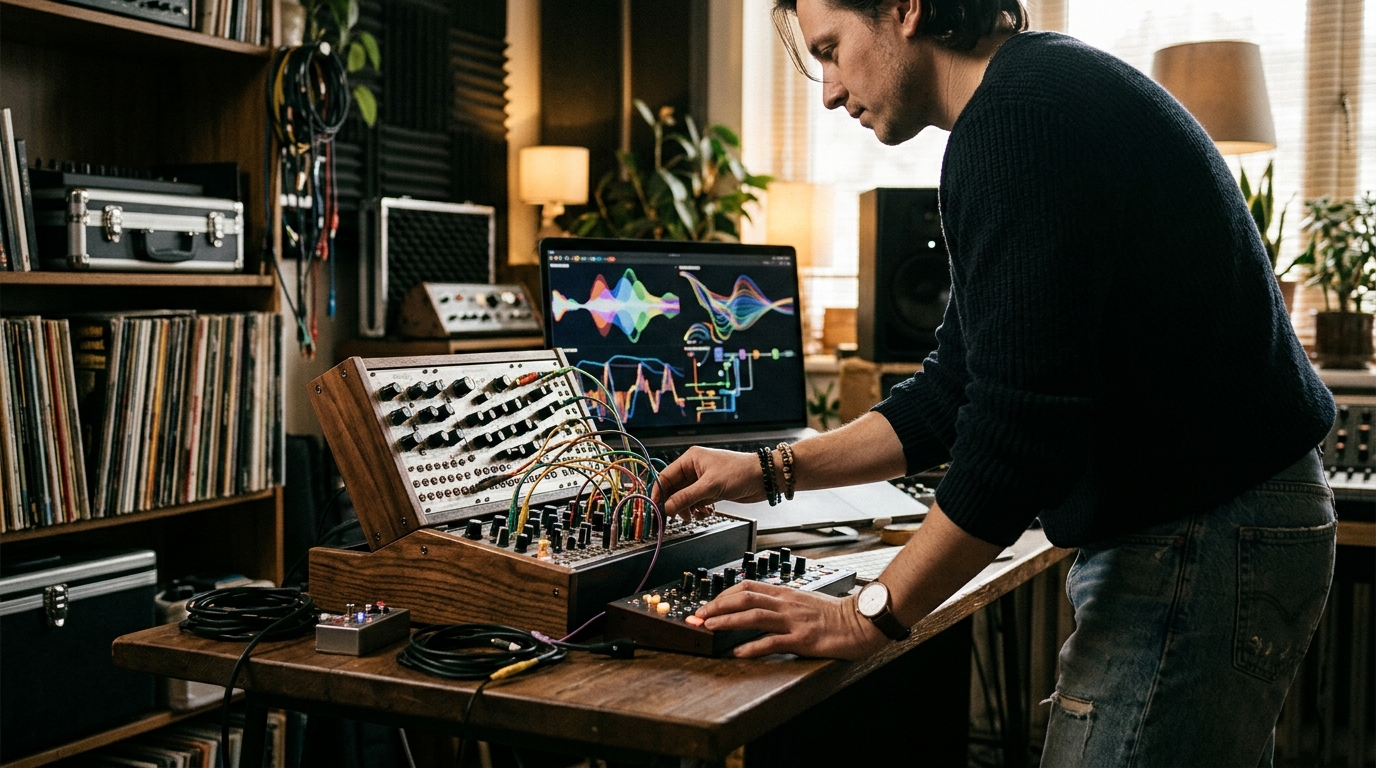
The primary difference lies in the learning curve and the resulting output. Standard setups require learning industry-standard plugins, while custom tools require understanding the specific logic of the creator's code. For example, a producer might build a unique synthesizer that generates sounds based on mathematical algorithms rather than traditional waveforms. This results in a workflow that is slower to master but produces highly original audio textures. For additional details, review the .
Creative Control and Sonic Identity
This approach allows for a unique sonic identity that is difficult to replicate. For instance, an artist might create a specific reverb algorithm that simulates a non-existent physical space. This ensures that every track produced carries a distinct signature. The implication is that listeners can recognize the producer's work instantly, building a strong brand identity around their unique sound. For additional details, review the Customer Experience.
Technical Considerations and Maintenance
Custom tools require significant technical maintenance and debugging. Traditional studio setups are supported by large companies with dedicated engineering teams. When a producer builds their own tools, they become the sole developer and support team. This means that any bugs or compatibility issues must be resolved by the producer themselves, which can slow down production timelines. For additional details, review the Frequently Asked Questions.
However, this technical burden also leads to deeper understanding of audio processing. Producers who code their own tools often have a more profound knowledge of digital signal processing. This expertise allows them to solve complex audio problems that standard software might not address. The trade-off is time spent on development versus time spent on creative production, requiring careful management of the workflow. For additional details, review the About.
Collaboration and Client Expectations
Key Takeaways
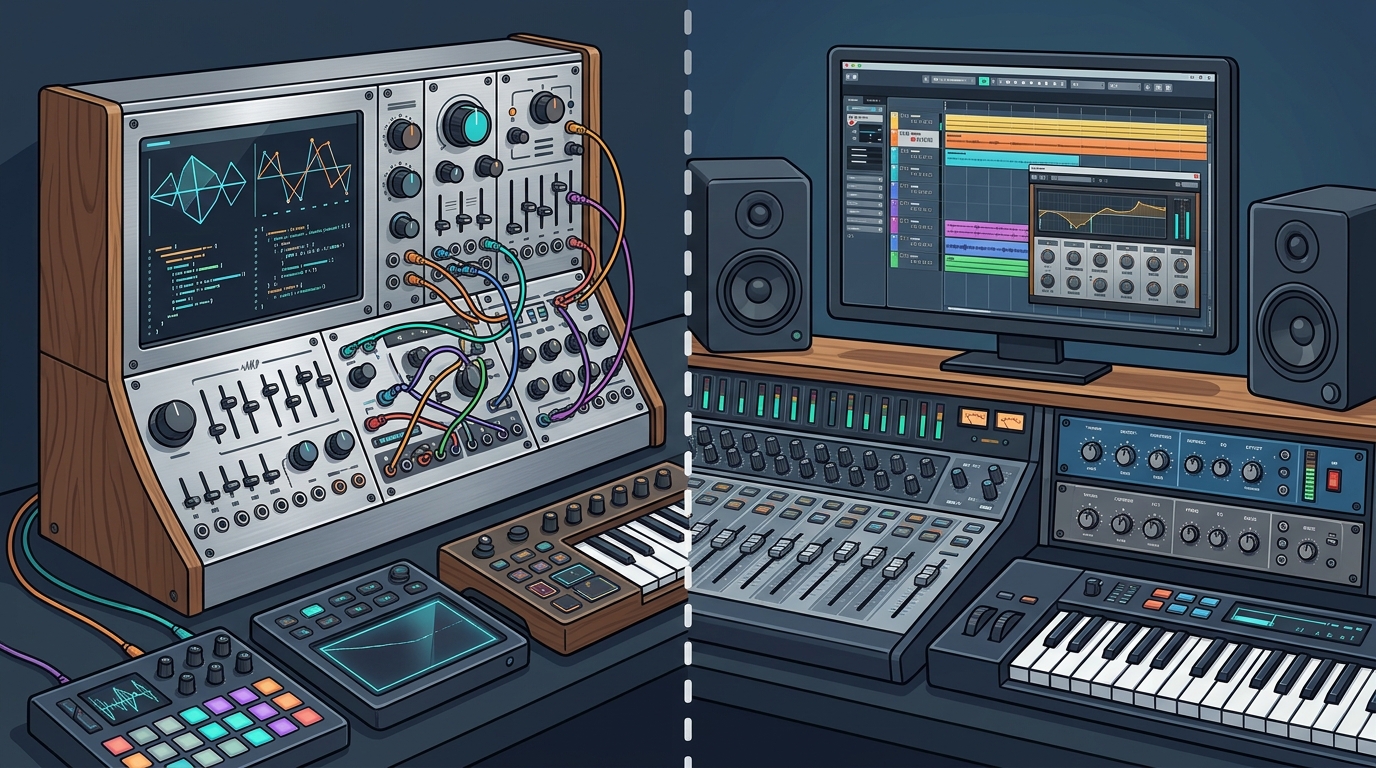
- Traditional studios provide faster workflows and broader compatibility.
- Building custom tools requires significant technical maintenance and debugging time.
- Producers with custom tools often have deeper knowledge of digital signal processing.
- Collaboration requires clear communication of unique capabilities to clients.
- Custom setups appeal to artists seeking experimental and innovative sounds.
- The choice between custom and traditional depends on the desired artistic outcome.
Frequently Asked Questions
What is a custom tool in music production?
Are custom tools more expensive than traditional studio setups?
Not necessarily. While development time is a cost, custom tools can be built using open-source libraries, making them potentially cheaper than purchasing multiple commercial plugins.
Can custom tools be used for commercial releases?
Yes, as long as the producer owns the code and does not violate any licensing agreements for the libraries used in the development process.
Do custom tools limit collaboration with other producers?
They can limit collaboration if other producers do not have access to the same tools, but this can be mitigated by sharing the software or exporting the sounds as audio files.
Is it difficult to learn how to use custom tools?
It depends on the complexity of the tool. Simple tools may be easy to use, while complex systems with many parameters can have a steep learning curve.
How does th3scr1b3 use custom tools in their work?
th3scr1b3 explores sonic possibilities through their digital portfolio, often utilizing unique methods to create their '365 Days of Light and Dark' project, emphasizing a direct-to-fan approach with distinct artistic output.