
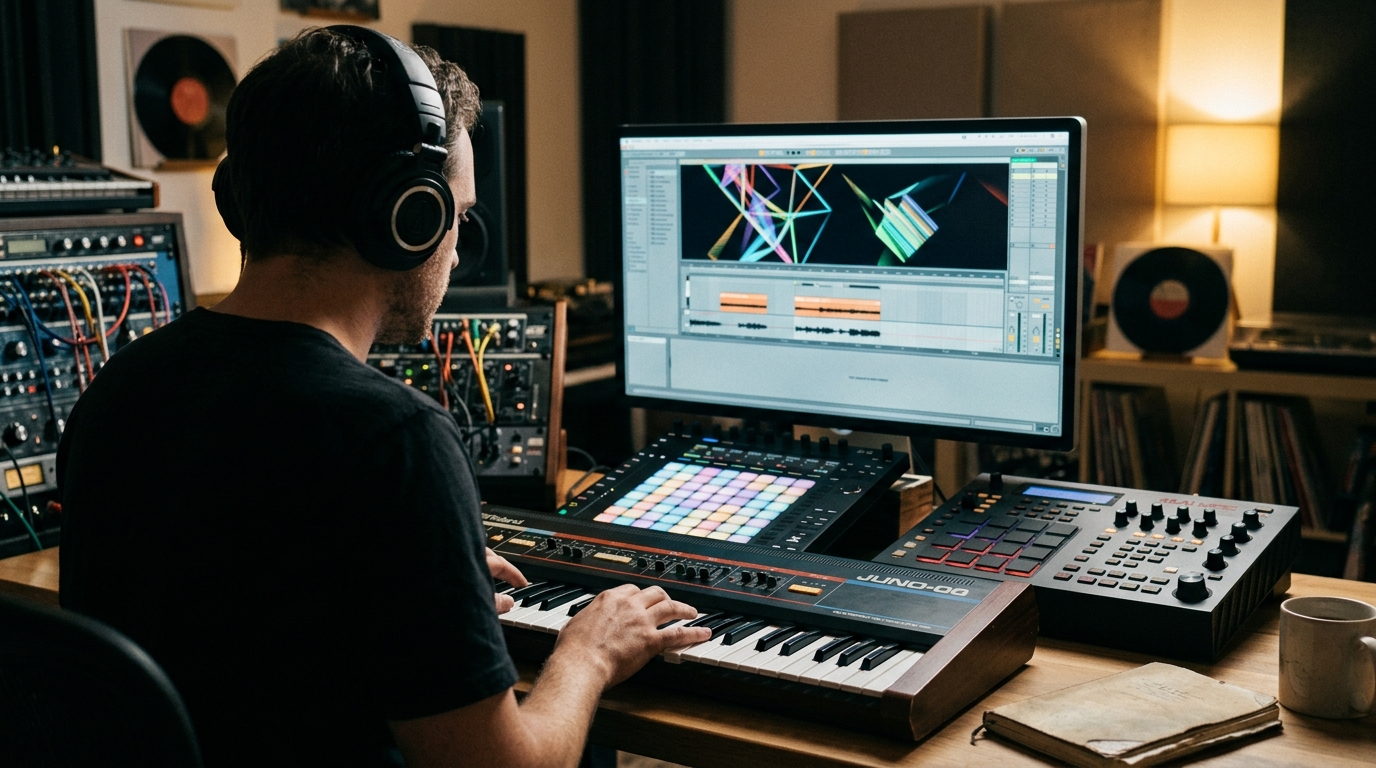
Best Free and Paid MIDI Sample Libraries for Electronic Music in 2026
The Role of MIDI in Modern Electronic Workflows
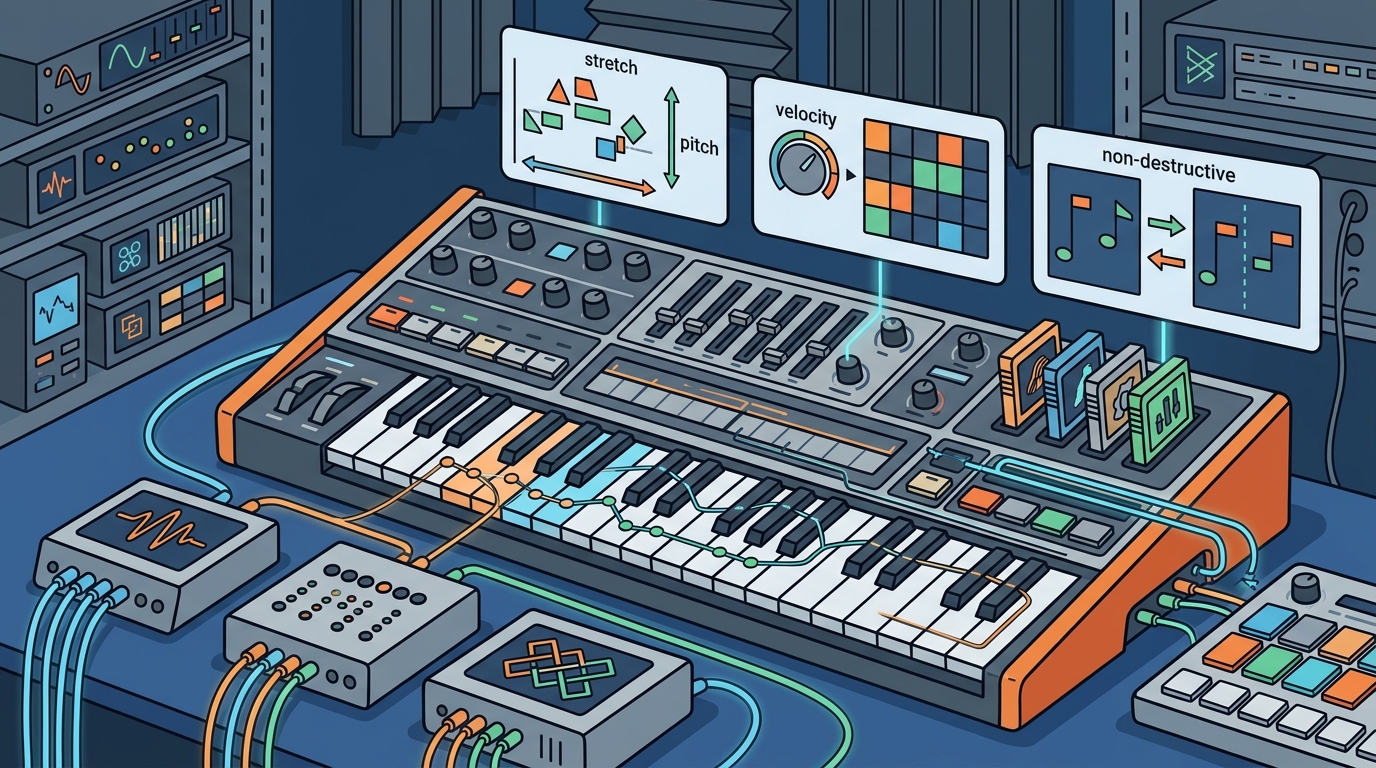
MIDI data is a sequence of digital instructions that tell a synthesizer or drum machine what notes to play, how long to hold them, and with what velocity. Unlike audio samples, MIDI is non-destructive, meaning you can change the pitch, timing, and instrument without re-recording. This flexibility makes MIDI libraries essential for electronic genres where rhythm and harmony are tightly interwoven. Producers use these files as starting points, modifying them to fit their unique aesthetic. For additional details, review the About.
Why MIDI Beats Audio for Arrangement
When arranging a track, MIDI allows for easy quantization and humanization. You can stretch a bassline to fit a longer bridge or compress a drum pattern to increase intensity. This level of control is impossible with static audio files. For artists who value precision, MIDI provides the structural backbone of a track.
Top Free MIDI Libraries for Beginners
Free resources are the best entry point for learning how to structure electronic music. Many of these libraries focus on specific genres like techno, house, or ambient. They often come as simple .mid files that can be dragged directly into a DAW. While they may lack the polish of paid options, they are invaluable for understanding rhythmic patterns and chord progressions. Starting with free assets helps producers build a personal library of ideas without financial risk.
Community-Driven Collections
Online communities often share MIDI packs that reflect current trends. These collections can be found on various digital platforms and forums. They provide a snapshot of what is popular in the electronic music scene. By studying these patterns, producers can learn the conventions of their chosen genre.
Premium Paid Libraries for Professional Results
Genre-Specific Specialization
Integrating MIDI Libraries with Your DAW
Customizing Imported Patterns
After importing a MIDI file, you should immediately begin customizing it. Change the velocity, timing, and notes to make the pattern your own. This step is crucial for avoiding a generic sound. By modifying the source material, you create a unique variation that fits your artistic vision. This process turns a generic library file into a personalized musical idea.
Key Takeaways
- MIDI data is non-destructive, allowing for easy editing of pitch, timing, and velocity.
- Free libraries are ideal for learning genre conventions and building a foundational idea bank.
- Genre-specific packs ensure stylistic authenticity and help producers stay on target.
- Customizing imported MIDI files is essential for creating a unique artistic identity.
- Seamless DAW integration makes MIDI libraries a practical tool for daily workflow.
Frequently Asked Questions
What is the difference between a MIDI file and an audio sample?
A MIDI file contains performance data, such as note values and velocity, while an audio sample is a recorded sound. MIDI can be edited and transposed without quality loss, whereas audio is fixed.
Can I use MIDI libraries in any DAW?
Are free MIDI libraries safe to use commercially?
It depends on the license. Always check the terms of use for each free pack. Some are for personal use only, while others allow commercial release.
How do I make a MIDI pattern sound less robotic?
Use the humanize tool in your DAW to add slight variations to timing and velocity. You can also manually adjust individual notes to create a more organic feel.
Which genre has the best MIDI libraries?
Electronic genres like techno, house, and dubstep have extensive MIDI libraries due to their reliance on programmed rhythms and basslines.