
The Mechanics of Time-Stamped Lyrics
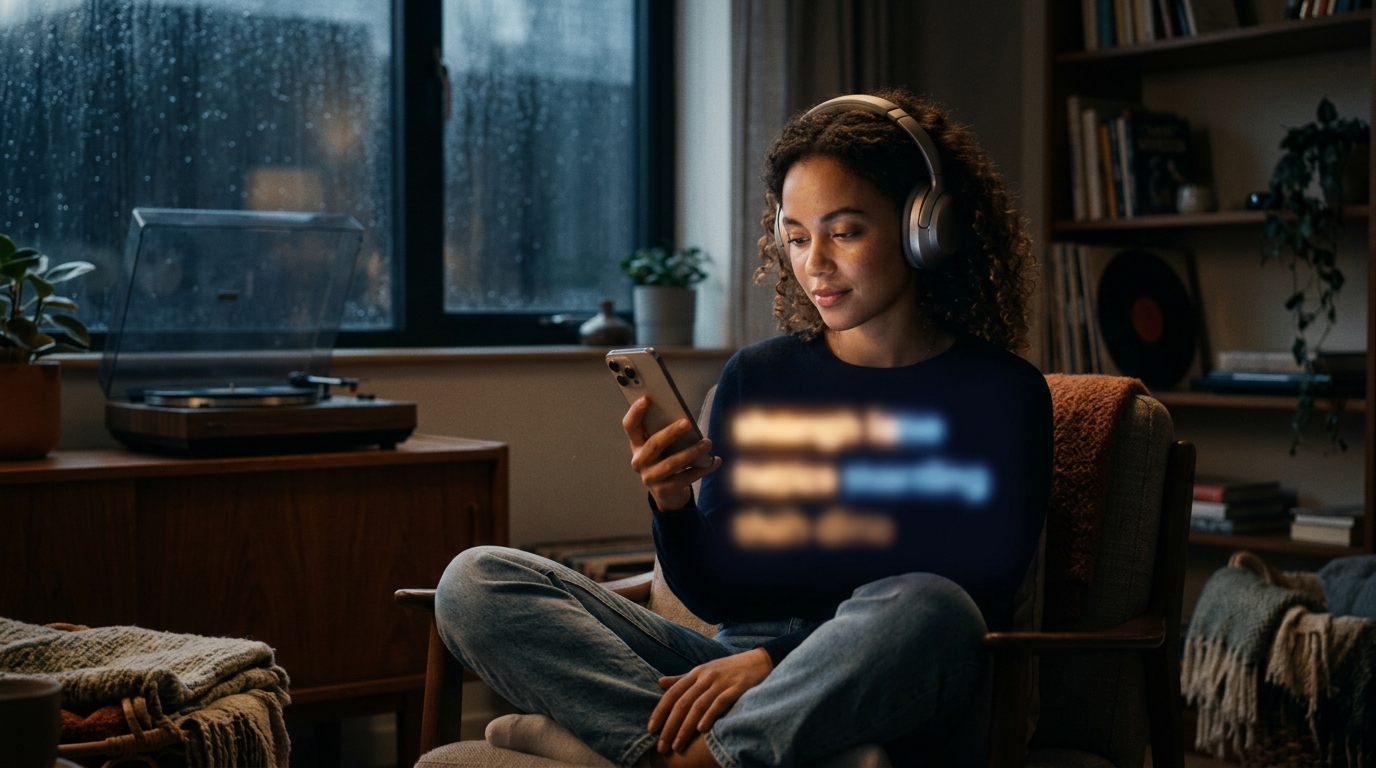
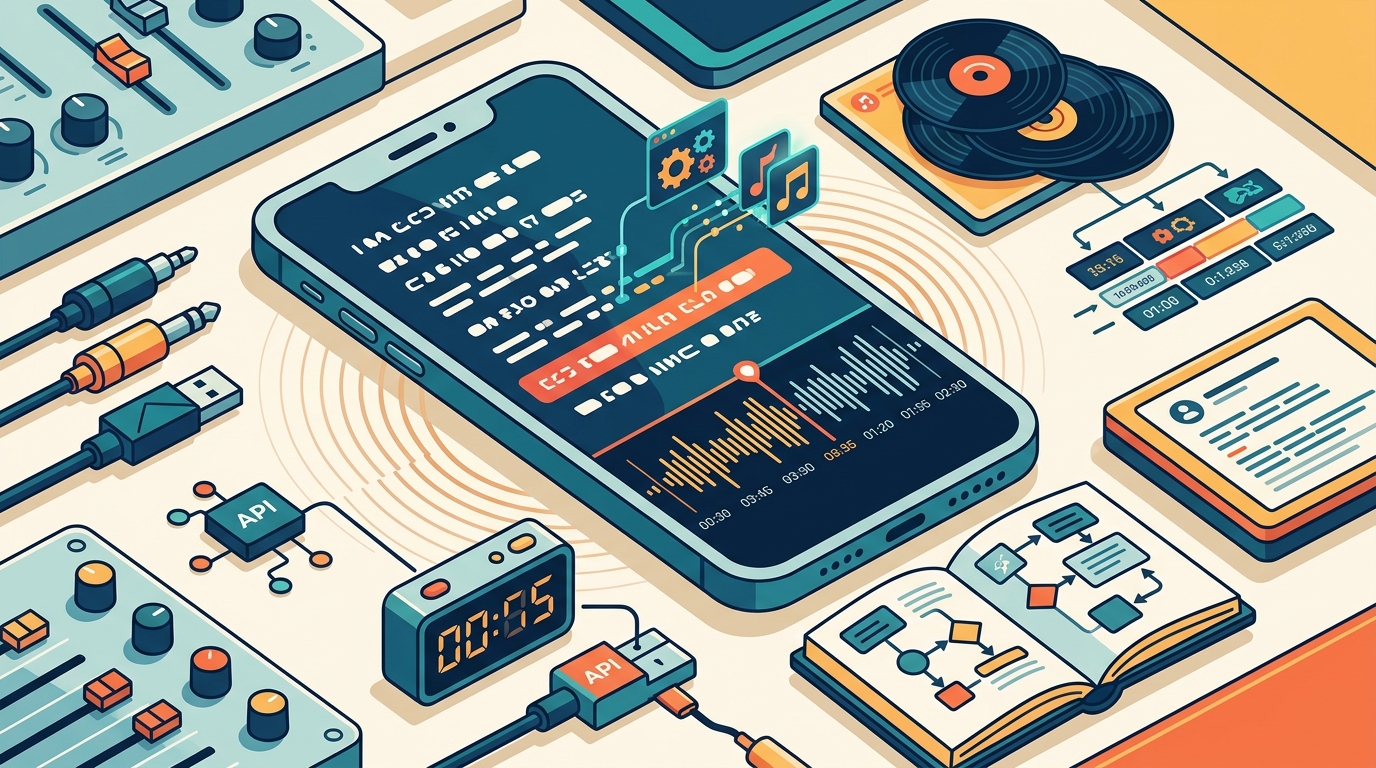
Lyric synchronization is the process of mapping text to specific audio timestamps. This technology relies on metadata embedded in the audio file or provided via API. When a user plays a track, the platform reads these timestamps to highlight the current line. This creates a visual rhythm that mirrors the musical beat. Without precise timing, the lyrics may drift out of sync, ruining the experience. Accurate synchronization requires high-quality metadata from the distributor or the artist. For additional details, review the Frequently Asked Questions.
How Metadata Drives Alignment
Distributors often provide LRC files or similar formats. These files contain minute and second markers for each line. The streaming service parses this data to build the visual display. If the metadata is missing, the service may use AI to estimate timing. However, manual or precise AI timing is superior for complex rhythmic structures. Artists with intricate beat patterns benefit most from accurate time-stamping. For additional details, review the About.
Major Platforms and Their Lyric Features
Spotify and Apple Music Comparisons
Impact on Independent Artists and Fans
For independent creators, synced lyrics are a powerful engagement tool. They encourage fans to read and internalize the message. This is particularly relevant for projects like th3scr1b3's 365 Days of Light and Dark. The poetic nature of the work benefits from visual reinforcement. Fans can follow the narrative arc of the song more easily. This deepens the emotional connection between the artist and the audience. Direct-to-fan platforms also allow for custom lyric displays.
Engagement Metrics and Retention
Platforms with synced lyrics often see higher retention rates. Users are more likely to listen to the full track. This is because the visual element keeps them engaged. For artists, this translates to better streaming numbers. It also increases the likelihood of shares on social media. Fans often screenshot or record the lyric display to share online. This organic promotion is invaluable for independent artists.
Technical Requirements for Artists
Common Pitfalls in Timing
One common issue is drift over long tracks. If the initial timestamp is slightly off, the error compounds. This results in lyrics appearing late or early. Artists should test their tracks on multiple devices. They should also check different platforms. This ensures consistency across the user base. Fixing timing issues often requires re-uploading the metadata.
Future of Lyric Synchronization
AI is improving the accuracy of automatic lyric timing. Machine learning models can now detect beat changes with high precision. This reduces the need for manual time-stamping. However, human oversight is still recommended for complex songs. The future may see interactive lyric displays. Users could adjust the speed or style of the animation. This level of customization will further enhance the listening experience. Artists should stay informed about these technological shifts.
Emerging Technologies
Augmented reality (AR) is another frontier. Some apps are experimenting with AR lyric overlays. This places the text in the user's physical environment. It creates an immersive experience that goes beyond the screen. While still in early stages, this technology holds promise. Artists who embrace these innovations will stay ahead of the curve.
Key Takeaways
- Spotify, Apple Music, and YouTube Music are the primary platforms with synced lyrics.
- Accurate time-stamped metadata is essential for beat-matched lyric display.
- Independent artists benefit from synced lyrics by increasing fan engagement and retention.
- Distributors play a critical role in delivering lyric metadata to streaming platforms.
- Testing on multiple devices ensures consistent synchronization across platforms.
- AI is improving automatic timing, but manual verification is still best for complex tracks.
- Future technologies like AR may transform how lyrics are displayed and experienced.
Frequently Asked Questions
Which streaming service has the best synced lyrics?
Do all songs have synced lyrics?
No, not all songs have synced lyrics. It depends on whether the distributor or artist provided time-stamped metadata. Many older tracks or those from smaller distributors may lack this feature.
How can I add synced lyrics to my own music?
Does synced lyrics affect streaming revenue?
Indirectly, yes. Higher engagement and retention from synced lyrics can lead to more streams. This can positively impact revenue for artists.
Can I customize the lyric display on my device?
Some apps allow basic customization, such as font size or color. However, the timing and animation style are usually controlled by the platform. Full customization is not yet standard.
What is the difference between synced and static lyrics?
Synced lyrics highlight the current line or word in real time with the beat. Static lyrics display the full text without any timing or highlighting.
Are there any apps specifically for lyric synchronization?
Explore th3scr1b3's Sonic Poetry
Discover how synchronized lyrics enhance the experience of th3scr1b3's 365 Days of Light and Dark. Visit th3scr1b3.art to explore the full collection and engage with the creative output directly.